Military & Veteran Roofing Discounts Available
Guidance For Roofing Insurance Claims
Storm damage often leaves homeowners dealing with confusing paperwork and frustrating claim discussions. I help document roof damage clearly and explain the insurance claim process so you can understand your options.
Resolve Roofing Insurance Claims With An Insurance Claims Specialist Serving all of North and South Carolina
Storm damage can create serious problems for homeowners. Missing shingles, hail impacts, and roof leaks often require repairs that involve filing an insurance claim. Unfortunately, many homeowners quickly realize that insurance policies are complicated and difficult to interpret. The process often involves inspections, documentation, and detailed explanations of how the damage occurred. Without proper documentation, legitimate storm damage may not be fully recognized.
This situation can leave homeowners feeling frustrated and unsure of what to do next. I work with homeowners throughout North and South Carolina to inspect roof damage and explain the roofing insurance claim process. With more than 40 years of construction experience, I understand how severe weather affects roofing systems and what information is typically required during roofing insurance claims. My goal is to help homeowners understand their options and ensure damage is documented properly. If your home has experienced storm damage, speaking with me as an insurance claims specialist can help you move forward with clarity.
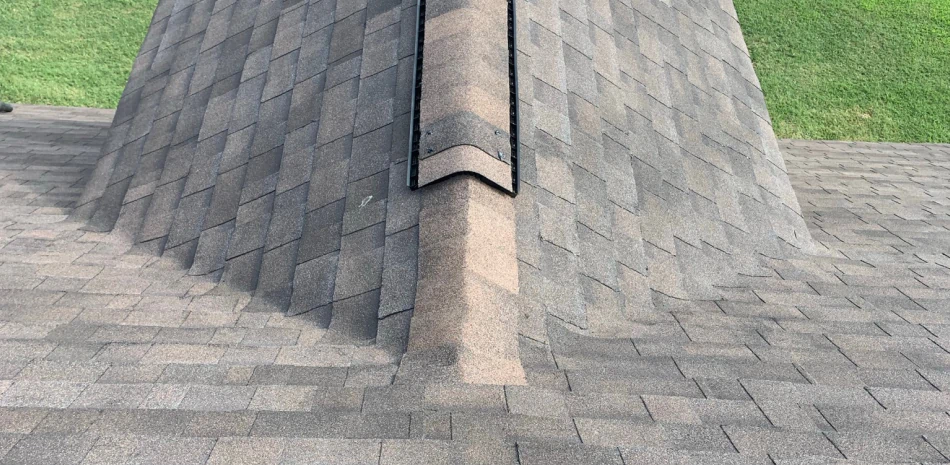
A Clear Process For Handling Roofing Insurance Claims
Storm damage insurance claims often require detailed documentation and a clear explanation of how the roof was affected. Many homeowners submit a claim only to discover that the process involves multiple inspections and technical discussions about the condition of the roof. When damage is not documented properly, the extent of the problem may not be fully understood.
I help homeowners prepare the information needed for roofing insurance claims and storm damage insurance claims. With decades of construction experience, I understand how to identify roof damage caused by wind, hail, and severe weather.
My process focuses on clear documentation and communication:
- Roof inspection: I examine the roofing system to identify storm-related damage such as missing shingles, hail impacts, and flashing problems. This inspection helps determine whether the damage qualifies for storm damage roof claim assistance.
- Photographic documentation: I take detailed photos during the inspection process. These images help demonstrate the condition of the roof when discussing roofing insurance claim assistance.
- Damage explanation: I review the inspection findings with homeowners and explain how the storm affected the roof. This helps you understand the condition of your roofing system.
- Claim process overview: Many homeowners are unfamiliar with roofing insurance claims. I explain the typical steps involved so you know what to expect.
- Restoration planning: If repairs are needed, I discuss options such as asphalt shingle roofing installation or residential roofing installation to restore your roof properly.
This approach helps homeowners navigate storm damage insurance claims with clearer documentation and a better understanding of the process.
Restore Your Home After Storm Damage
Storm damage can affect more than just the roof. When a roofing system is compromised, water can enter the structure and create additional problems inside the home. Over time, this may lead to ceiling stains, insulation damage, or structural concerns if repairs are delayed. Homeowners often need guidance when deciding how to move forward after filing a claim.
As an insurance claims specialist, I work with homeowners throughout North and South Carolina to evaluate storm damage and discuss restoration options. My background in construction allows me to identify roofing issues accurately and explain the repairs needed to restore your home. Depending on the extent of the damage, this may involve replacing shingles, repairing flashing, or restoring sections of the roof affected by severe weather.
Storms may also impact other exterior components. During the inspection, I look for issues that may require additional work, such as gutter installation or fascia and soffit repair if drainage or roof edge components have been damaged.
By documenting the damage carefully and explaining the repair process clearly, I help homeowners move forward with confidence. If your home has experienced storm damage, I provide the experience and guidance needed to restore it properly.
Frequently Asked Questions About Insurance Claim Specialist
-
An insurance claims specialist helps homeowners understand the claim process after storm damage affects their roof. This includes inspecting the roof, documenting the damage, and explaining how the insurance process typically works. Many homeowners are unfamiliar with policy requirements and documentation expectations, so having someone who understands roofing systems can help clarify what damage occurred and what repairs may be necessary.
-
Homeowners should consider speaking with a roofing professional soon after a storm if they suspect damage to their roof. Missing shingles, dents from hail, or water entering the home can all indicate storm related damage. Early inspection helps document the condition of the roof before additional wear occurs and provides useful information when discussing the situation with an insurance provider.
-
Severe weather can damage roofing systems in several ways. Strong winds may lift or remove shingles, hail can create impact marks that weaken roofing materials, and falling branches can damage structural components. Even small areas of damage may allow moisture to enter the home, which is why inspections after major storms are often recommended.
-
Yes. If the roofing system is compromised, water can enter the home through damaged areas of the roof. Over time this moisture can affect ceilings, insulation, and structural components within the attic. Addressing roof damage early helps reduce the chance of additional repairs inside the home.
-
Insurance claims often require documentation showing the condition of the roof and the type of damage present. This may include inspection notes, photographs of damaged areas, and explanations of how the roofing system was affected. Having clear documentation can help homeowners better communicate the situation when discussing repairs with their insurance provider.
-
Not every roofing issue qualifies for an insurance claim. Many policies focus on sudden damage caused by events such as storms, hail, or falling debris. Wear and tear caused by aging materials may not qualify. A roof inspection helps determine whether the damage appears related to a weather event or long term aging.
-
After a roof inspection, the homeowner will typically review the findings and determine whether filing a claim makes sense. If storm damage is identified, the documentation from the inspection can help explain the condition of the roof and the repairs required. This information may be helpful when discussing next steps with the insurance provider.
-
The timeline for an insurance claim can vary depending on the insurance provider and the details of the situation. Some claims move forward quickly after inspections and documentation are completed, while others may take longer if additional reviews are required. Each situation can be different depending on the extent of the damage.
-
If a roof is actively leaking, temporary measures may be necessary to prevent additional damage. Homeowners should not allow water to continue entering the home while waiting on claim discussions. Addressing urgent issues early can help prevent further structural or interior problems.
-
Yes. Storms that damage roofing systems can also affect gutters, fascia boards, soffit areas, and siding. During a roof inspection, these surrounding components are often evaluated as well because they help protect the structure and support the roofing system.
Get a Free Roofing Estimate Today
Review your roof damage and understand your next steps with a no-cost estimate. I help homeowners evaluate repairs and move forward with confidence.